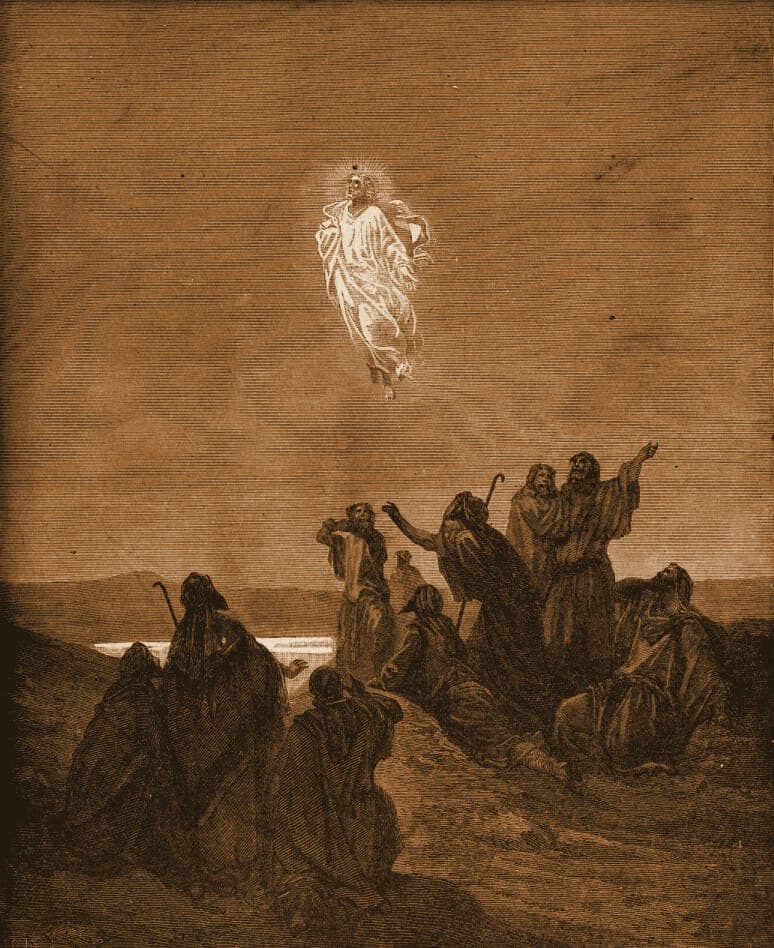
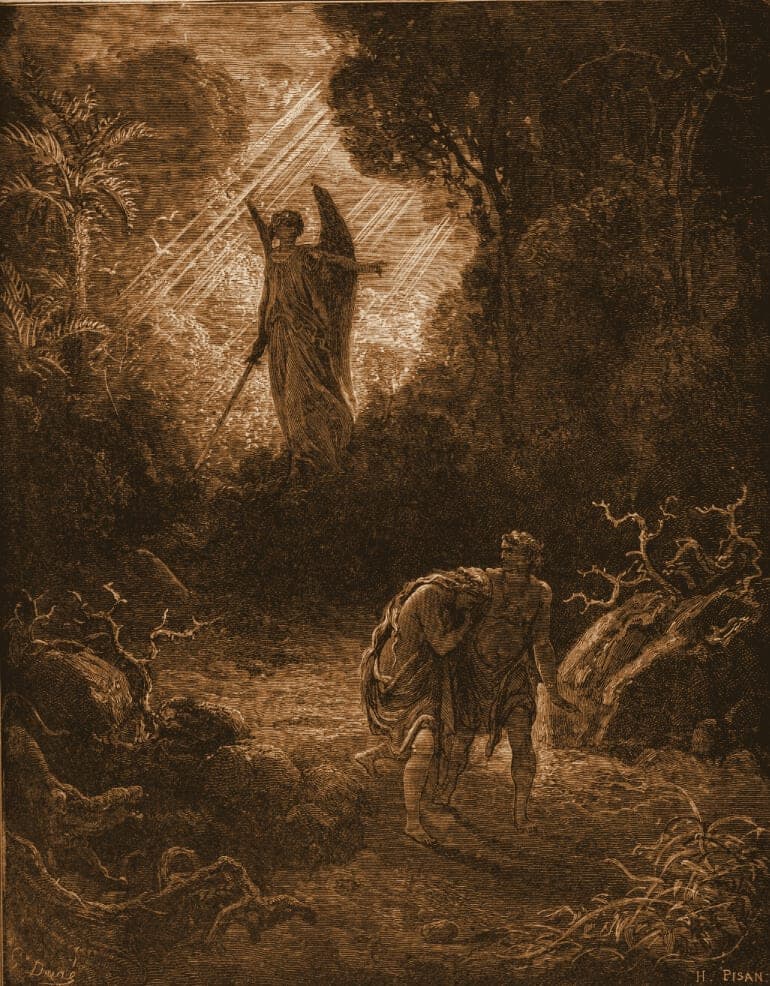
Creation and Fall
The Thread Begins
In the beginning, God made the world good, and He placed Adam and Eve in the garden to live before Him. Then they listened to the serpent, reached for what God had forbidden, hid from His presence, and the world cracked under sin and death.
Yet judgment was not the last word. Before the gates of Eden closed behind them, God gave the first promise of mercy: the offspring of the woman would bruise the serpent's head, though the serpent would bruise His heel. The promise was real, but it was still veiled. The story began as a single thread of hope running through one family.
Sin showed its teeth almost at once. Cain heard the warning that sin was crouching at the door, then rose up and killed Abel. The family that carried the promise already needed a rescuer from its own heart.
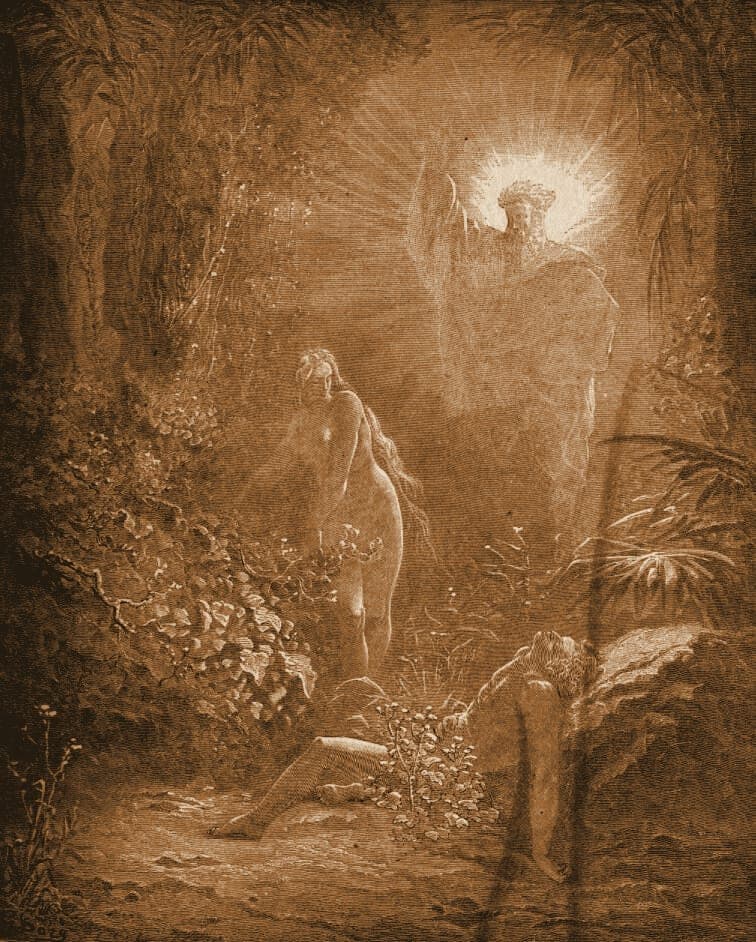
Seth to Judah
The Promise Passes Through a Family
And so the promise passed to Seth, and through him the line kept moving. In the days of Noah, judgment covered the earth, because every imagination of the thoughts of man's heart was continually only evil. But God carried a family through the waters and set His covenant sign in the sky.
Then God called Abraham and promised that blessing would come to all nations through his offspring. The promise grew more focused with Isaac, when God provided the ram that died in his place, and it passed through Jacob to Judah, where the blessing narrowed to a ruler whose scepter would not depart.
Still, the meaning was not yet fully open. The promise moved forward through signs, altars, births, and blood. The New Testament says the law held a shadow of the good to come, and that when the old covenant was read, the veil remained until a person turned to the Lord.
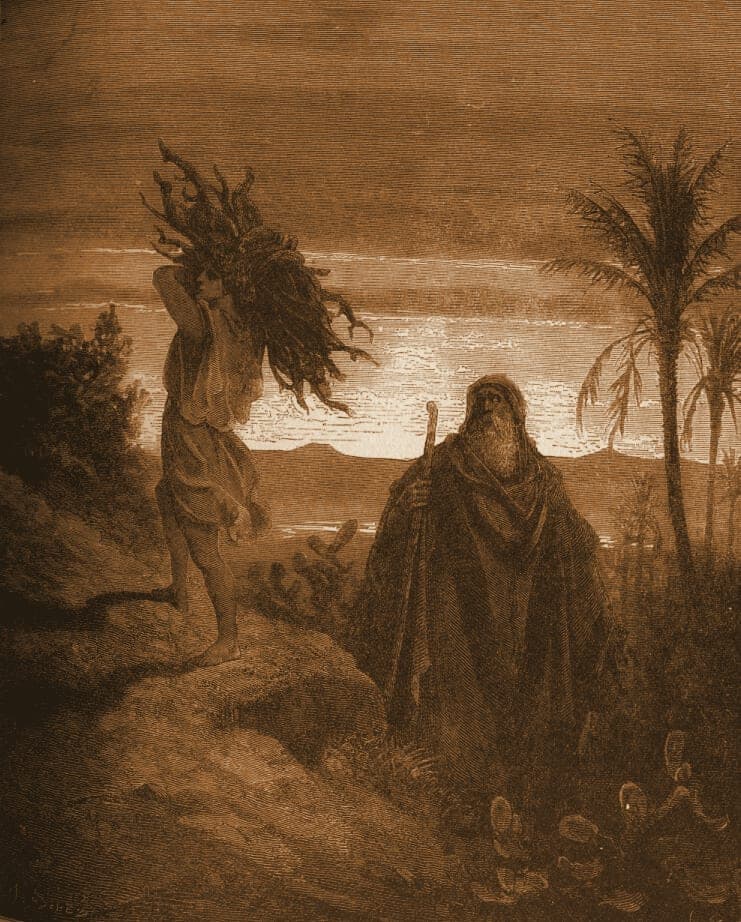
Egypt and Exodus
A People Are Rescued by Blood
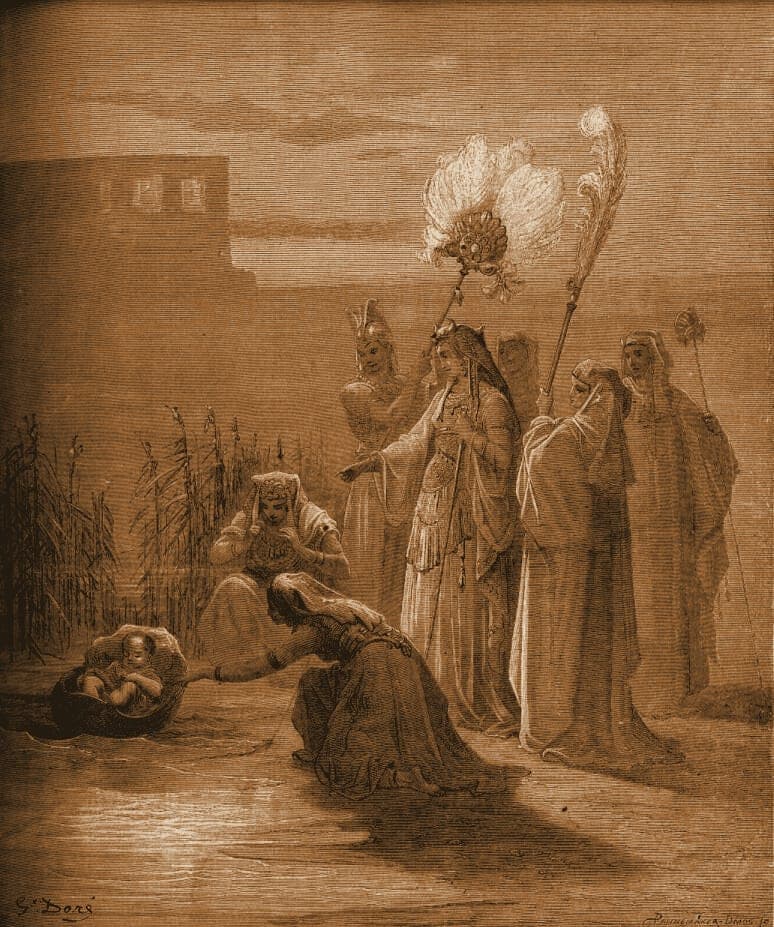
The family went down into Egypt, and God used Joseph to preserve life. But years later the family had become an enslaved people, and the promise seemed buried under brick, fear, and Pharaoh. So God raised up Moses and brought His people out with a mighty hand.
On the night of rescue, death passed through Egypt, but the blood of the lamb marked the doors of Israel, and death passed over. Then, almost as soon as they were brought out, Israel bowed before the golden calf and said, These are your gods, Israel. The rescue was glorious, but the sickness was still in them.
At Sinai, God gave the law. In the tabernacle, blood was given for sin, yet the sacrifices could show the cost without finally taking sin away. A veil separated the holy place from the most holy place, and only the high priest went in once a year, not without blood. The tabernacle, and later the temple, kept preaching that sinners could not simply walk in.
Yet even there the promise was pressing forward. Moses said the Lord would raise up a prophet like him, and Peter later preached that word as pointing to Jesus. In the wilderness, when the people were dying, the bronze serpent was lifted up so they could look and live, and Jesus said that lifting was speaking about Himself.
David and the Kingdom
The Promise Takes a Throne
The people entered the land under Joshua, and the promise kept moving. But the judges showed how deep the wound had gone. By the end of that age, everyone did what was right in his own eyes.
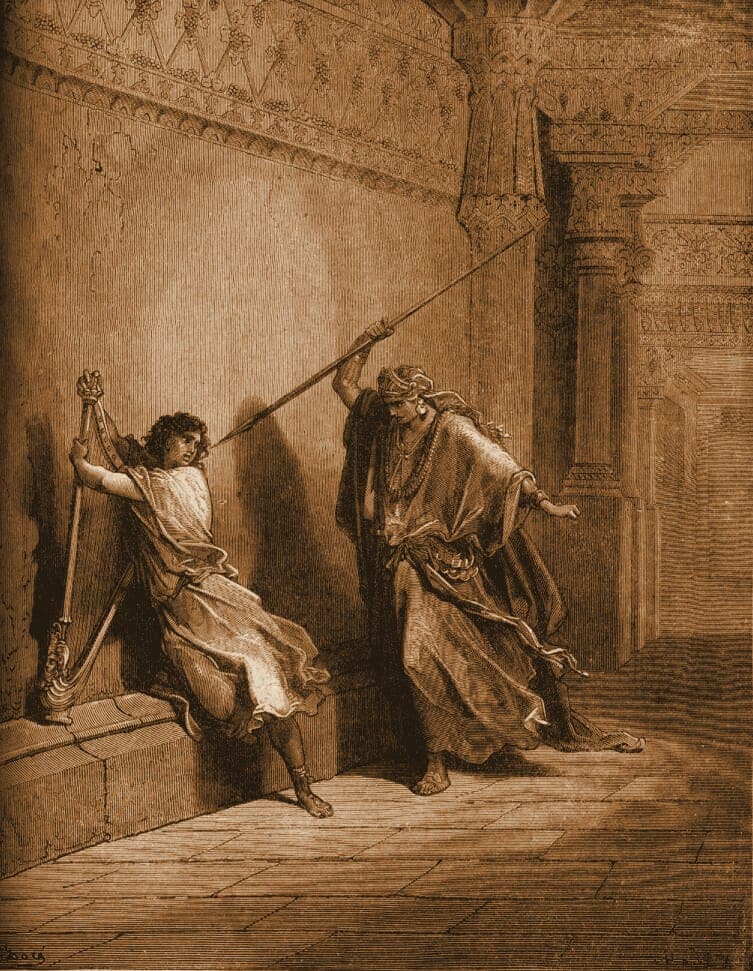
In time the promise came to David, the shepherd king. God promised him a son, a house, a kingdom, and a throne that would stand forever. Now the promise had a crown. Yet even David needed mercy. When he sinned, Nathan came with the word that landed like a blade: You are the man.
But no king could save them. Throne after throne rose and fell, and the refrain kept returning: he did evil in Yahweh's sight. Ahab did more to provoke the Lord than all the kings before him, and Manasseh shed innocent blood very much. The kingdom split. Jerusalem fell. The crown seemed buried in exile. Yet God had not forgotten the son of David.
Prophets and Exile
The Promise Is Spoken Louder
So God began to speak louder through the prophets, and the promise grew sharper and brighter as the night grew darker. When Isaiah saw the King, he cried, Woe is me, for I am a man of unclean lips. The prophet who announced hope also knew the stain that made hope necessary.
Isaiah said a virgin would bear a son called Immanuel, and Matthew says this was fulfilled in Jesus. Isaiah also spoke of a child called Mighty God, and Micah spoke of a ruler from Bethlehem, the word the priests cited when they were asked where the Christ would be born.
The promise kept gathering light. Jeremiah spoke of a new covenant that would change hearts. Zechariah said they would look on the one they pierced, and Daniel saw one like a son of man receiving an everlasting dominion. The New Testament brings those words to Jesus, pierced at the cross and coming with the clouds of heaven.
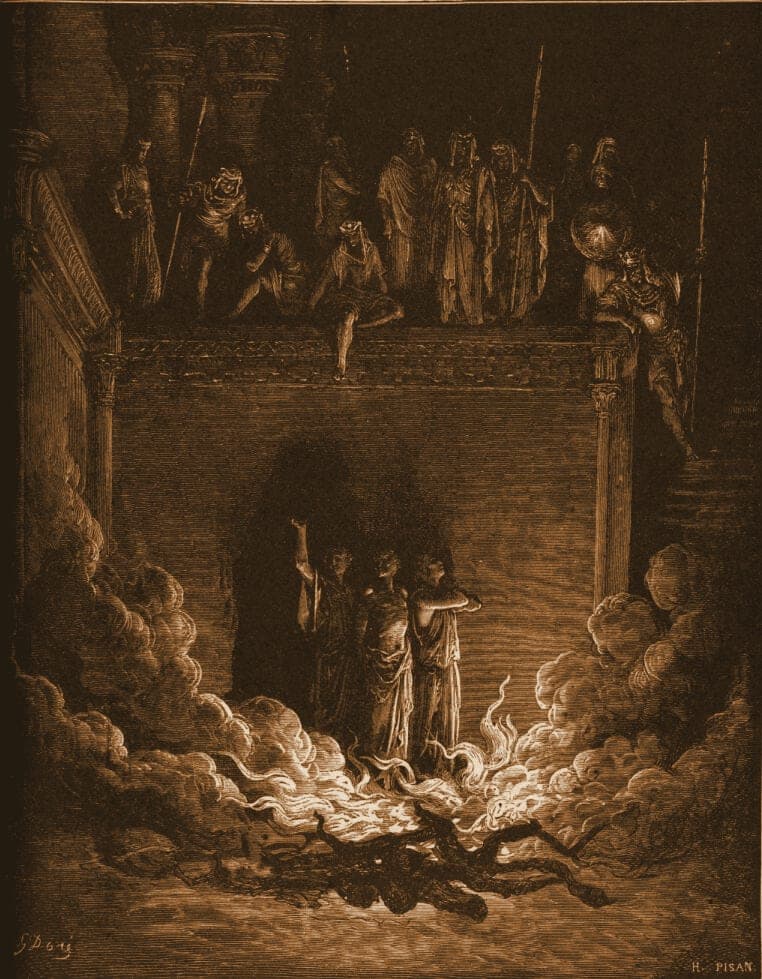
Isaiah also spoke of the servant pierced for our transgressions, crushed for our iniquities, and the apostle Peter says Jesus bore our sins in His body on the tree. In Babylon, Daniel, Hananiah, Mishael, and Azariah kept faith while the people waited. The promise did not die in exile. It burned there.
Even then, much remained veiled. The words were true. The hope was bright. But the people still needed the Lord to take the veil away, and they still needed a sacrifice that could do what bulls and goats never could.
The Son Comes
When the Time Was Full
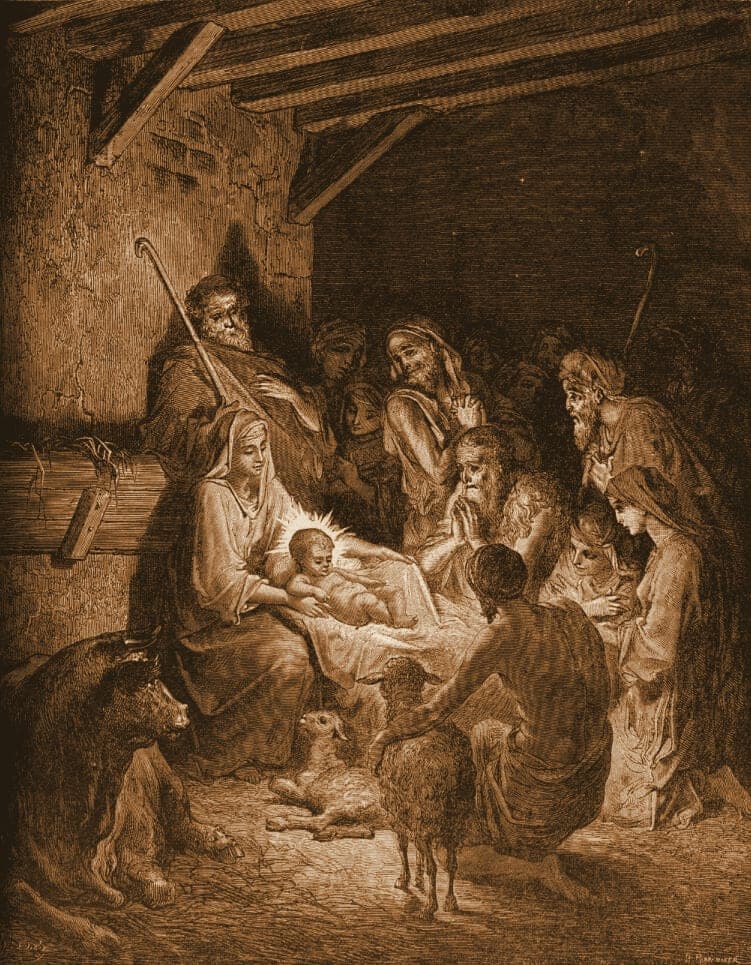
Then, when the time was full, the silence broke. Jesus was born in Bethlehem to Mary, in the house and line of David. He was the son of Abraham, the son of David, and the son of Adam. The promise from the garden had come in flesh.
He came as God with us. He healed the sick, forgave sins, fed the hungry, calmed the sea, taught with authority, and announced that the kingdom of God had come near. Every mercy was a window. Every word carried weight. The King had stepped into His own world.
The Lamb Gives Himself
The Cross
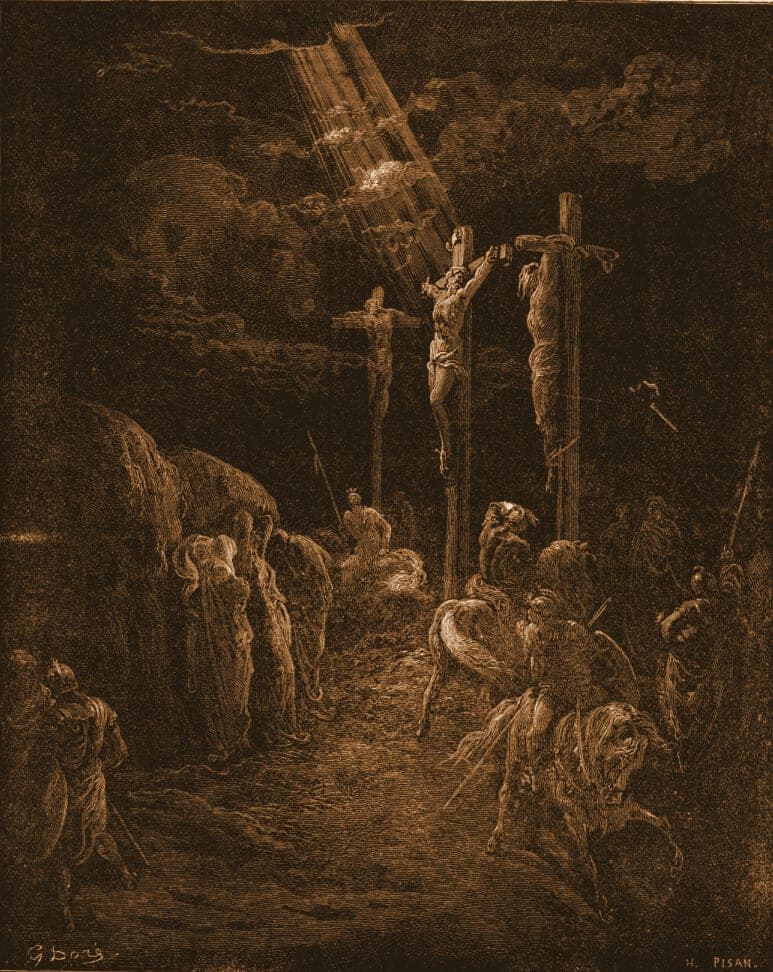
Then the promised King went to the cross. Jesus was betrayed, condemned under Pilate, mocked, beaten, and crucified. The hands that healed were pierced. The mouth that forgave cried the forsaken cry of Psalm 22. The righteous one stood in the place of sinners.
This is where the whole line was leading. The true Passover Lamb gave His blood. The one lifted up for the dying became sin for us. The servant was pierced for our transgressions. The soldiers cast lots for His clothing, and John says Scripture was fulfilled. Every lamb, every altar, every priest, every promise leaned toward this hour.
Then Jesus died for our sins, and the long veil tore. The curtain that had stood between the holy place and the most holy place was torn from top to bottom. What had been hidden was unveiled. What had been shut was opened. By His blood, the way into the holy place was made new and living.
The Empty Tomb
He Is Risen
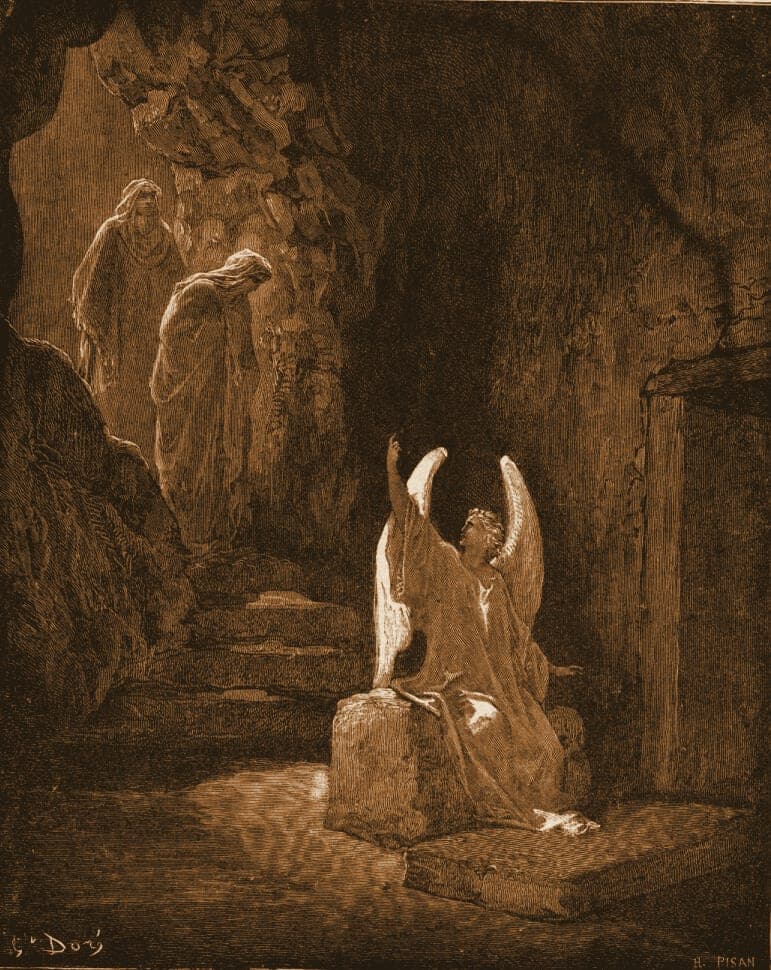
But death could not hold Him. On the third day, the tomb was empty. The stone was rolled away, not to let Jesus out, but to show that He was risen. The promise had not failed. The serpent was crushed, and the Son of God had come to destroy the works of the devil. The grave was opened.
The risen Jesus opened the Scriptures and showed that Moses, the prophets, and the Psalms had been moving toward His suffering and His glory. What began in the garden had reached the morning of a new creation. The veiled promise now had a face, a name, wounds, and an empty tomb.
The Invitation
This Is the Gospel
This is why the whole line existed. We have all sinned, and none of us can climb back into the garden by our own goodness. But God shows His love for us in this: while we were still sinners, Christ died for us.
The Gospel is not advice to improve yourself. It is news to receive. Jesus died for our sins according to the Scriptures. He was buried. He was raised on the third day. Whoever believes in Him shall not perish but have eternal life. If you confess with your mouth that Jesus is Lord and believe in your heart that God raised Him from the dead, you will be saved. Come to Him. Trust Him. The promise is not far away. It has a name, and His name is Jesus.